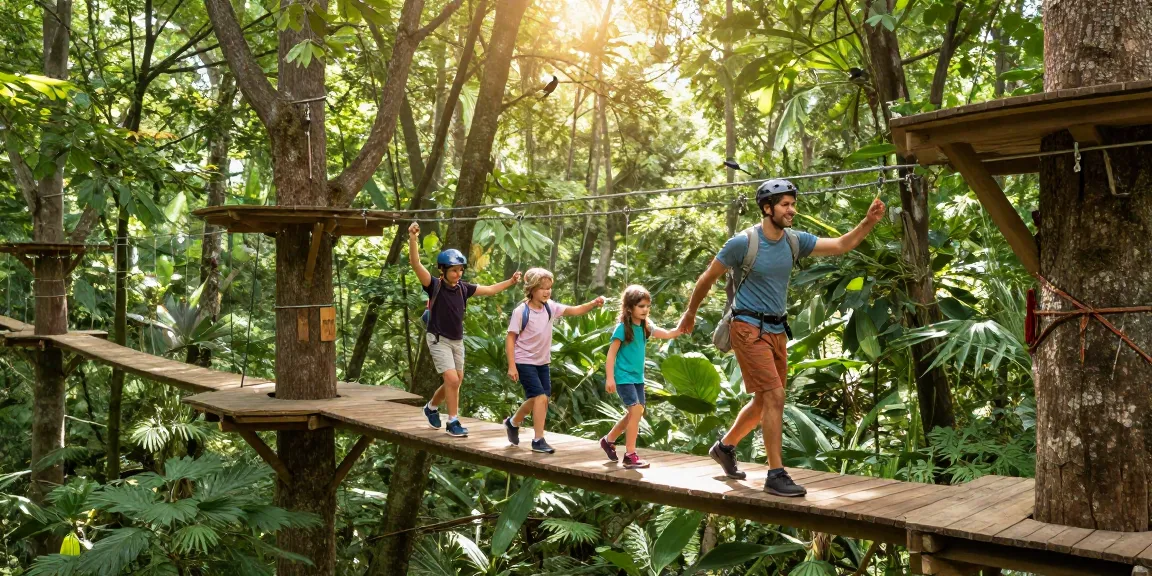
Introduction to Treetop Walkways
Stepping into the world of nature, a Treetop Walkway offers a unique opportunity to experience the vertical realm of forests like never before. Suspended high above the ground, these walkways not only unveil breathtaking vistas of treetops, wildlife, and the sky but also provide an engaging way to connect with nature. Perfect for families, adventure seekers, and nature enthusiasts alike, treetop walkways have become a popular attraction worldwide, inviting visitors to immerse themselves in the beauty of the canopy.
What is a Treetop Walkway?
A treetop walkway is an elevated path constructed above the forest floor, allowing guests to walk among the treetops. Typically made of wood or metal, these walkways often feature gentle slopes and curves to ensure accessibility. They provide an extraordinary vantage point to observe wildlife and the unique ecosystems thriving above ground. Designed to blend harmoniously with the surroundings, treetop walkways facilitate a seamless integration of adventure and education, making nature exploration enjoyable and insightful.
History and Development of Treetop Walkways
The concept of treetop walkways emerged in the late 20th century as ecotourism gained popularity. Initially seen in regions rich in biodiversity, such as the Amazon rainforest and tropical jungles, the appeal of these walkways led to global expansion. By the early 2000s, countries across Europe, North America, and Asia began constructing treetop walkways as part of national parks and wildlife reserves. Early examples include the Canopy Walk at Kakum National Park in Ghana and the Treetop Walkway at Kew Gardens in London. Today, the trend has evolved, with innovative designs and sustainable practices enhancing visitor experiences while protecting the environment.
Benefits of Exploring Treetop Walkways
- Connection with Nature: Treetop walkways provide an immersive experience, enabling visitors to engage with the natural environment from a unique perspective.
- Access to Wildlife: Observing birds, insects, and other creatures in their natural habitat is more accessible from above, often resulting in unforgettable encounters.
- Physical Activity: Walking along these elevated paths promotes light exercise, making it a great way to stay active while enjoying the outdoors.
- Educational Opportunities: Many walkways feature informative signage and guided tours outlining the significance of the forest ecosystem and conservation efforts.
- Family-Friendly Experience: Treetop walkways cater to all ages, providing a safe and conducive environment for families to explore nature together.
Planning Your Visit to a Treetop Walkway
Choosing the Right Location for Your Family
Selecting the ideal treetop walkway location can greatly enhance your experience. Factors to consider include distance, accessibility, and available facilities. For families, it's essential to choose walkways that provide a safe and engaging environment for children. Popular options include the Wild Walk at The Wild Center in New York, where kids can explore interactive exhibits alongside the elevated trails, and the Treetop Walk at Kew Gardens, renowned for its stunning botanical collections and educational resources.
Best Times to Visit Treetop Walkways
The optimal time to experience treetop walkways often depends on the region's climate and peak tourist seasons. Spring and autumn are typically the most pleasant times, offering mild weather and vibrant foliage. Early mornings can also provide a quieter experience, allowing visitors to enjoy the serenity of nature with fewer crowds. Additionally, some walkways host seasonal events or guided tours, providing unique opportunities for visitors to learn more and engage with the environment.
What to Pack for Your Adventure
To ensure a comfortable and enjoyable experience on a treetop walkway, it’s essential to come prepared. Here’s a quick packing list:
- Comfortable Shoes: Sturdy footwear is crucial for walking on different terrains.
- Weather-Appropriate Clothing: Dress in layers to accommodate varying temperatures, and consider a waterproof jacket if rain is in the forecast.
- Camera: Capture the breathtaking views and wildlife encounters you experience.
- Water and Snacks: Hydration and energy are vital, especially for families exploring longer walkways.
- Sunscreen and Insect Repellent: Protect your skin from sun exposure and insect bites during outdoor activities.
Safety Tips for Navigating Treetop Walkways
Understanding Safety Features of Treetop Walkways
Most treetop walkways are designed with safety as a top priority, featuring sturdy railings, non-slip surfaces, and regular maintenance checks. Before your visit, familiarise yourself with the walkway’s specific safety measures, as they can vary by location. Safety briefings or educational materials are often provided at the entrance to ensure visitors adhere to guidelines and enjoy a secure experience.
Preparing Kids for the Experience
When visiting treetop walkways with children, preparation is key. Discuss what to expect, including heights and the types of wildlife they may encounter. Encourage children to maintain a safe distance from railings and to stay on the paths. By instilling a sense of adventure coupled with caution, you can help foster a familial appreciation for nature while ensuring their safety.
Common Safety Concerns and Solutions
Common concerns about treetop walkways include fear of heights, slippery surfaces, and wildlife encounters. To mitigate fears, choose walkways with lower elevations for first-time visitors, gradually working up to higher walkways as comfort levels increase. Ensure everyone is wearing appropriate footwear to prevent slipping, and inform children about safe distance protocols from any wildlife. Regularly check for updates relating to walkway conditions prior to your visit to ensure a smooth experience.
Enhancing Your Treetop Walkway Experience
Engaging Activities for Families
Beyond walking, many treetop walkways offer engaging activities such as educational workshops, nature scavenger hunts, and interactive exhibits. Participating in these activities can enhance the overall experience, drawing families closer to nature while encouraging learning. Often, parks and nature reserves will organise seasonal events or competitions, providing additional opportunities for family bonding.
Photography Tips for Capturing the Moment
To make the most of your photographic opportunities, consider the time of day and lighting conditions. Early mornings or late afternoons provide the best natural light, resulting in stunning images. Bring extra batteries and memory cards, and experiment with angles to capture the beauty of the canopy. Don't forget to include some candid shots of your family enjoying the experience!
Finding the Best Viewing Points Along the Walkway
Each treetop walkway often has designated viewpoints or observation decks where visitors can pause and take in the panoramic vistas. These spots are typically well-marked and may have benches for resting. Prior to your visit, research the best viewpoints, as these can vary greatly depending on the specific layout of each walkway.
The Future of Treetop Walkways: Trends and Innovations
Emerging Designs and Features for 2026
The future of treetop walkways looks promising, with designs evolving to incorporate more sustainable materials and innovative features. Concepts such as transparent walkways made from glass or eco-friendly composites are emerging, offering unique views while minimising ecological footprints. As technology advances, interactive elements like augmented reality experiences are also set to enhance visitor engagement.
Eco-Friendly Practices in Treetop Walkways
Sustainability is at the forefront of new treetop walkway projects. Many are adopting eco-friendly building practices, utilising local materials and ensuring minimal disruption to wildlife habitats. Additionally, educational components focusing on conservation efforts are becoming a standard feature, helping to instill a sense of responsibility in visitors.
What to Expect from Treetop Walkways in the Coming Years
As interest in eco-tourism continues to grow, treetop walkways are likely to proliferate. Visitors can expect enhanced accessibility features and increased educational programmes focusing on biodiversity and conservation. Moreover, partnerships with local communities and environmental organisations are set to flourish, ensuring that these natural wonders are well-preserved for future generations.
Is the Treetop Walkway worth the visit?
Yes! For nature lovers, families, and adventure seekers, treetop walkways provide a unique and exhilarating way to experience the forest ecosystem. The opportunity to view nature from a new perspective, paired with engaging activities and educational opportunities, makes the experience priceless.
Where can I find a Treetop Walkway nearby?
Finding a local treetop walkway is easier than ever, with many directories and travel websites offering extensive listings. Engaging with social media groups focused on nature and travel can also yield recommendations from fellow enthusiasts. Whether looking for a simple walk in your area or planning a trip to a renowned site, resources are widely available to help locate the perfect treetop experience.
How long does a typical Treetop Walk take?
The duration of a treetop walk depends on various factors, including the walkway's length and the pace of the visitor. Generally, a typical walk may take anywhere from 30 minutes to two hours, allowing ample time for exploration and interaction with nature. Planning for breaks at scenic viewpoints can enhance your visit, as you take in the breathtaking surroundings.
What age is appropriate for children on Treetop Walks?
Most treetop walkways are designed for families and are safe for children of all ages. However, it is essential to check specific age guidelines at each location. Younger children may require closer supervision while navigating the walkways, and providing a harness or safety equipment can add an extra layer of security.
Are Treetop Walkways accessible for individuals with disabilities?
Accessibility varies across different treetop walkways, but many are actively working to ensure inclusivity. Features such as ramps, elevators, and wide paths are increasingly common. Before planning your visit, check with the specific location regarding the available facilities to accommodate individual needs.