Understanding ASTM D5034 Testing Equipment
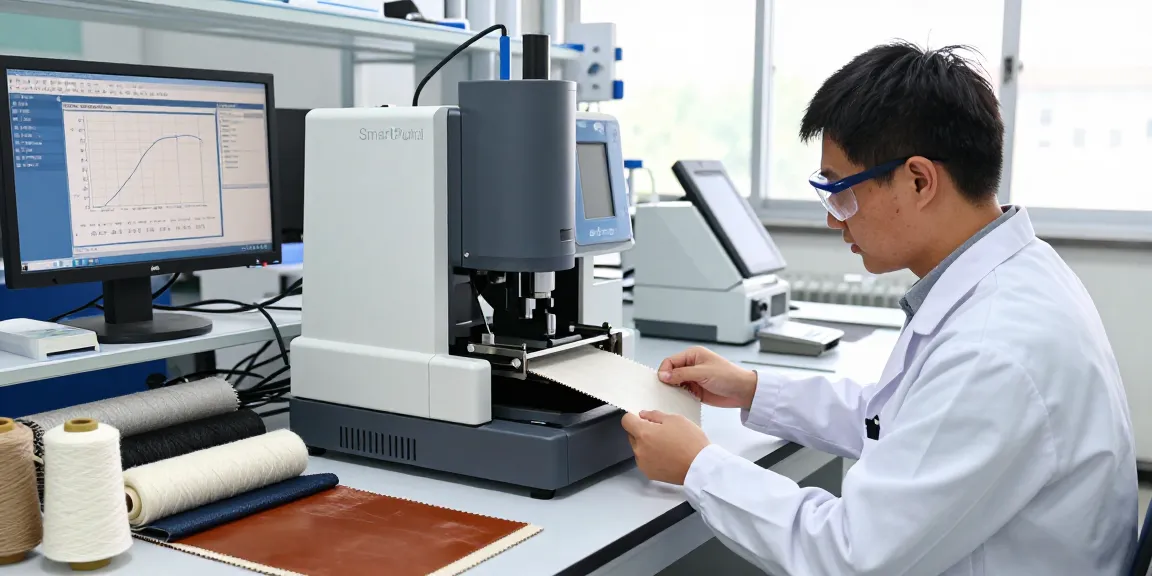
The ASTM D5034 testing equipment plays a crucial role in evaluating the tensile strength of fabrics, particularly in the textile industry. This standard test method assesses the breaking strength and elongation of textile fabrics when subjected to tension. The results derived from these tests are essential for manufacturers and quality control personnel to ensure their products meet industry specifications. The SmartPull Fabric Tensile Tester is an exemplary machine that adheres to ASTM D5034 standards, providing high accuracy and reliability in its results. When exploring options, ASTM D5034 testing equipment offers a comprehensive insight into the capabilities and performance metrics necessary for effective fabric evaluation.
What is ASTM D5034 Testing Equipment?
ASTM D5034 testing equipment is a standardized mechanism used to measure the tensile properties of textile materials. This equipment is designed to provide a controlled environment for subjects, ensuring that results are both reliable and repeatable. The testing involves clamping a fabric sample and applying a pulling force until the material breaks. This method yields critical data on both the maximum tensile strength the fabric can endure and its elongation at break, which are vital metrics for assessing the performance and durability of textiles in real-world applications.
Key Features of SmartPull Tensile Strength Tester
The SmartPull Fabric Tensile Tester is equipped with advanced features that set it apart in the market. Some key features include:
- High Accuracy: The SmartPull utilizes an AC servo motor and precision ball screws, minimizing measurement errors to within 1%. This ensures that users receive accurate test results, even at varying speeds.
- User-Friendly Software: The interface is designed for ease-of-use, allowing operators to quickly set up tests and access results with minimal training.
- Compliance with Standards: It meets international testing standards, including ASTM D5034, ensuring that results are recognized globally.
- Versatility: Capable of performing multiple tests such as tearing, shearing, and compression, making it a valuable tool for various fabric types.
Importance of ASTM Standards in Testing
ASTM standards are critical in the textile testing industry, providing a common language for manufacturers, laboratories, and stakeholders. Adhering to these standards ensures that tests are conducted consistently, allowing for accurate comparisons across different materials and products. Moreover, using ASTM-compliant testing equipment helps manufacturers adhere to regulatory requirements, thereby increasing market competitiveness and consumer trust.
Operational Principles of Tensile Testing
The operational principles of tensile testing revolve around the application of force to a material and the subsequent measurement of its response. Understanding these principles is vital for technicians to ensure accurate and reliable test results.
How Fabric Samples are Tested
Testing begins with preparing a fabric sample, which is then clamped at both ends in the tensile tester. The SmartPull applies a controlled tensile force, gradually increasing until the sample breaks. This method not only measures the breaking strength but also provides data on the elongation of the fabric, which is crucial for evaluating its performance under stress.
Mechanical Properties Evaluated by Testing
The key mechanical properties evaluated during tensile testing include:
- Tensile Strength: The maximum load a fabric can withstand while being pulled before failing.
- Elongation at Break: The degree to which a fabric can stretch before it ruptures.
- Modulus of Elasticity: The ratio of stress to strain in the elastic deformation phase of the material.
- Energy to Break: The total energy absorbed by the sample until it fractures.
Common Testing Procedures and Protocols
Common procedures for tensile testing include determining the appropriate testing speed and load configuration based on the material type. Calibration of the equipment must also be performed regularly to maintain accuracy. Following standard operating procedures ensures that results are consistent and reliable, contributing to effective quality control.
Benefits of Using SmartPull Testing Equipment
The SmartPull Fabric Tensile Tester offers a range of benefits for labs and manufacturers. Its design and features are tailored to enhance performance and usability, ensuring that users can achieve optimal testing outcomes.
High Accuracy and Reliability in Results
One of the standout aspects of the SmartPull is its high degree of accuracy. With advanced load cells and displacement transducers, the machine can provide precise measurements that are essential for quality assurance in textile manufacturing. The ability to produce consistent results minimizes errors and contributes to a reliable testing process.
User-Friendly Interface and Software
The intuitive design of the SmartPull’s user interface allows operators of all skill levels to efficiently conduct tests. The software is equipped with analytical capabilities to display a multitude of data points, including load, displacement, and stress, making it easier to interpret results quickly and effectively.
Versatility Across Various Fabric Types
The SmartPull is not limited to testing just one type of material. Its versatility allows it to accurately test a variety of fabrics, from lightweight textiles to heavy-duty materials like leather and upholstery. This adaptability makes it an ideal choice for laboratories that need to evaluate multiple fabric types and comply with various international testing standards.
Challenges in Fabric Tensile Testing
Despite the advantages of using advanced tensile testing equipment, there are challenges technicians may face. Understanding these challenges can help improve testing processes and outcomes.
Common Pitfalls and Misconceptions
A common misconception in tensile testing is that all testing equipment is interchangeable. In reality, different materials may require specialized fixtures or settings to ensure accurate results. Each fabric type behaves differently under tension, which can impact the outcome of the tests.
Calibration and Maintenance Best Practices
Regular calibration and maintenance of tensile testing machines are crucial to achieving accurate results. Technicians should adhere to a scheduled maintenance plan, including checking the calibration against standard weights and verifying the functionality of all components.
Understanding Test Limitations
While tensile testing provides valuable insights, it is important to understand its limitations. For instance, tensile tests may not fully predict the performance of a fabric under different conditions such as humidity or temperature fluctuations. Therefore, using tensile results in conjunction with other testing methods can provide a more comprehensive understanding of material performance.
Future Trends in Testing Technology for 2026
The field of textile testing is constantly evolving, with emerging technologies set to enhance the capabilities of testing equipment significantly in the coming years.
Emerging Technologies in Textile Testing
Technological advancements are paving the way for more sophisticated testing methods. Innovations such as AI-driven analysis and machine learning algorithms are expected to improve the accuracy of data interpretation and automate the testing process, leading to enhanced efficiency.
Predictions for ASTM D5034 and Industry Standards
As the textile industry continues to grow, the ASTM D5034 standard is likely to evolve, incorporating new materials and testing methods. Keeping abreast of these changes will be essential for manufacturers to maintain compliance and quality assurance.
Integration of Smart Technologies in Testing Processes
The future of tensile testing will likely see an increased integration of smart technologies. This may include devices that can self-calibrate, provide real-time data analysis, and enable remote monitoring and control of testing parameters, enhancing both user experience and accuracy.
What is ASTM D5034 testing equipment used for?
ASTM D5034 testing equipment is used primarily to evaluate the tensile properties of fabrics, allowing manufacturers to assess their products for strength and durability.
How does the SmartPull tensile strength tester work?
The SmartPull tensile strength tester works by clamping fabric samples and applying a controlled tensile force until the samples fail, measuring both strength and elongation in the process.
What are the future implications for textile testing standards?
Future implications for textile testing standards may involve more comprehensive coverage of emerging materials and advanced testing methodologies, ensuring that specifications keep pace with industry innovations.
What challenges do technicians face in tensile testing?
Technicians often face challenges related to calibration accuracy, equipment maintenance, and adhering to testing protocols while navigating material-specific requirements.
How to ensure accurate results in fabric testing?
To ensure accurate results in fabric testing, manufacturers should invest in high-quality testing equipment, conduct regular maintenance, and follow ASTM standards closely during the testing process.