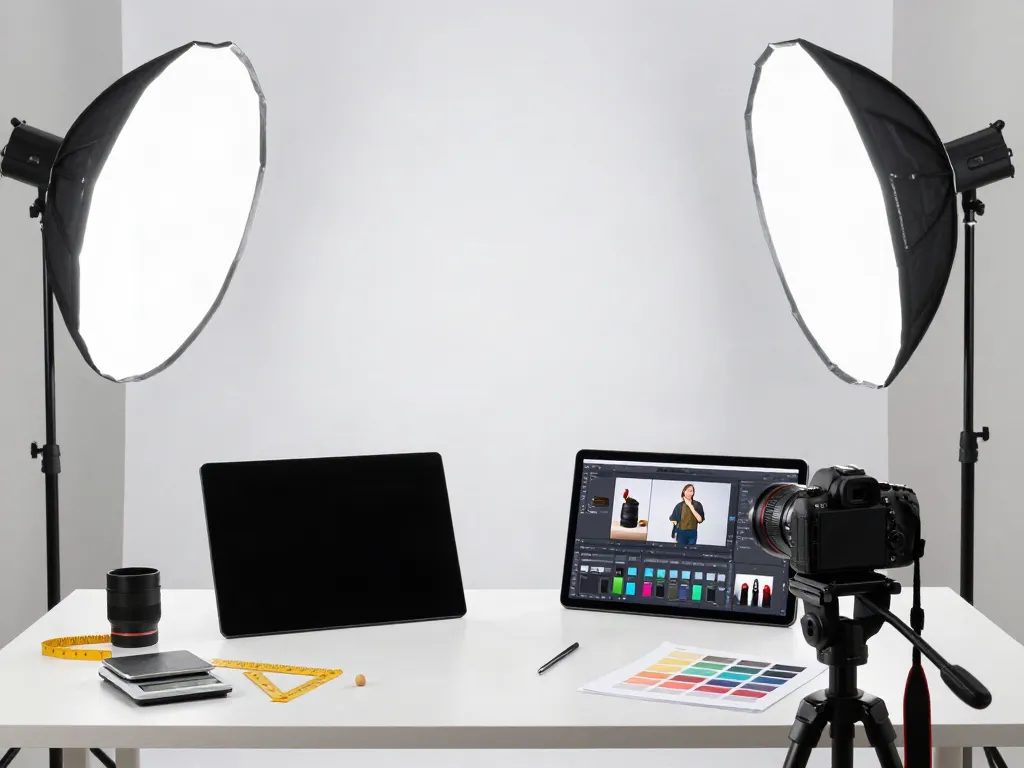
Understanding the Amazon Product Photo Generator
In the ever-evolving landscape of e-commerce, having compelling product images is crucial for success. A well-crafted product photo not only attracts potential buyers but also significantly influences purchasing decisions. The Amazon product photo generator stands out as a pivotal tool that harnesses the power of artificial intelligence to streamline this process. By automating the creation of high-quality images, sellers can focus on what truly matters: driving sales and growing their brands.
What is an Amazon Product Photo Generator?
An Amazon product photo generator is an AI-powered tool designed to create appealing and professional product images tailored specifically for Amazon listings. These generators utilize advanced algorithms to transform basic input—such as product descriptions and specifications—into visually striking images, whether they be main product shots, lifestyle images, or informative graphics.
Key Features and Benefits
- Speed: Generates images rapidly, often within minutes, saving crucial time for sellers.
- Cost-effective: Reduces the need for hiring professional photographers or graphic designers.
- Customization: Allows users to refine and personalize images to match their brand aesthetics.
- Consistency: Ensures that all images adhere to Amazon’s stringent quality standards for listings.
How AI Enhances Image Quality
AI technology in these generators helps enhance image quality through various means, such as improving resolution, applying optimal lighting adjustments, and even generating backgrounds that complement the product. As a result, sellers can achieve a professional look that stands out in a crowded marketplace. Furthermore, AI continuously learns from user interactions, gradually improving its output quality over time.
Assessing Effectiveness: Does It Meet Seller Needs?
While the Amazon product photo generator provides numerous advantages, it is essential to assess how effectively it meets the diverse needs of sellers. This involves analyzing user experience, accessibility, and potential challenges faced during the image creation process.
Evaluating User Experience and Accessibility
The user experience of an Amazon product photo generator can vary widely based on its design and interface. Many modern solutions prioritize user-friendliness, featuring intuitive controls that require no prior technical knowledge. Accessibility is also a key consideration, as sellers may require mobile compatibility or web-based platforms that can be accessed anywhere.
Common Challenges when Using Generators
Despite their benefits, users may encounter several challenges when utilizing these tools. Some common issues include:
- Image Quality: While AI has advanced significantly, the generated images may sometimes lack the nuanced quality that professional photography offers.
- Customization Limitations: Certain generators may not allow for extensive customization, potentially stifling brand identity.
- Over-reliance on Technology: Sellers might become overly dependent on AI tools, leading to less creativity and originality in their listings.
Case Studies: Success Stories from E-commerce Brands
Several e-commerce brands have successfully leveraged Amazon product photo generators to boost their sales. For instance, Brand X reported a 30% increase in conversions after switching to AI-generated images that more accurately portrayed their products in lifestyle settings. Similarly, Brand Y utilized these tools to create seasonal promotional images, resulting in a notable uptick in engagement and customer interest.
Best Practices for High-Quality Amazon Images
To maximize the effectiveness of product images, sellers should follow certain best practices. These guidelines not only ensure compliance with Amazon’s requirements but also enhance visual appeal and buyer engagement.
Guidelines for Professional Product Photography
When it comes to professional photography for Amazon listings, adherence to specific guidelines is crucial:
- Background: Main product images should feature a pure white background to enhance focus on the product.
- Lighting: Ensure consistent, natural-looking lighting to avoid shadows that can distract from the product.
- Dimensions: Follow Amazon's specifications for image size and resolution to ensure optimal presentation on various devices.
Editing Techniques to Boost Sales
Utilizing editing techniques can further enhance product images. Sellers should consider:
- Color Correction: Adjust colors to ensure they accurately represent the product, improving buyer trust.
- Cropping: Frame the product effectively to highlight its features without unnecessary distractions.
- Adding Text: Include brief descriptions or benefits directly on the image to convey essential information quickly.
Leveraging Lifestyle Images for Better Engagement
Lifestyle images that showcase products in real-world settings can significantly improve engagement. Such images serve to spark the buyer's imagination, helping them envision how the product fits into their lives. Brands should invest in creating a diverse range of lifestyle images that highlight various use cases, effectively appealing to broader customer segments.
Future Trends in E-commerce Photography Tools
The future of e-commerce photography tools is bright, with innovations continuously reshaping the landscape. As technology advances, sellers need to stay informed about emerging trends to remain competitive.
Innovations in AI for Product Image Generation
Future advancements in AI are expected to introduce features such as augmented reality (AR) integration, enabling customers to visualize products in their own environments before making a purchase. This can significantly reduce return rates and improve overall customer satisfaction.
Predictions for 2026: What to Expect
By 2026, we can anticipate more comprehensive solutions that combine various media forms, such as video clips alongside static images, to create immersive product listings. Additionally, automated tools will likely offer better customization based on customer data and preferences, enhancing personalization in marketing efforts.
Integrating Customer Feedback Into Image Creation
Listening to customer feedback will be vital for improving image creation processes. Sellers who actively seek input from their audience regarding image effectiveness can refine their visuals, leading to higher satisfaction and better sales performance.
Frequently Asked Questions
How does the Amazon product photo generator work?
The Amazon product photo generator functions by utilizing AI algorithms to analyze product details and generate visually appealing images. Users input basic information, and the tool automatically creates images, allowing for further customization.
What are the key requirements for Amazon product images?
Key requirements for Amazon product images include a white background for main images, high resolution (at least 1000 pixels on the longest side), and clear representations of the product from various angles.
Can I edit images for Amazon using AI tools?
Yes, many AI tools offer editing capabilities, allowing users to enhance images post-generation with filters, cropping, and adjustments to lighting and color.
Are there any free options for generating Amazon product photos?
Several free Amazon product photo generators are available, although they may come with limitations in features or image quality compared to paid alternatives.
What common mistakes should be avoided when creating product images?
Common mistakes include using low-quality images, not following Amazon's guidelines, and failing to provide sufficient context through lifestyle images. Sellers should aim for clarity and professionalism to maximize appeal.