
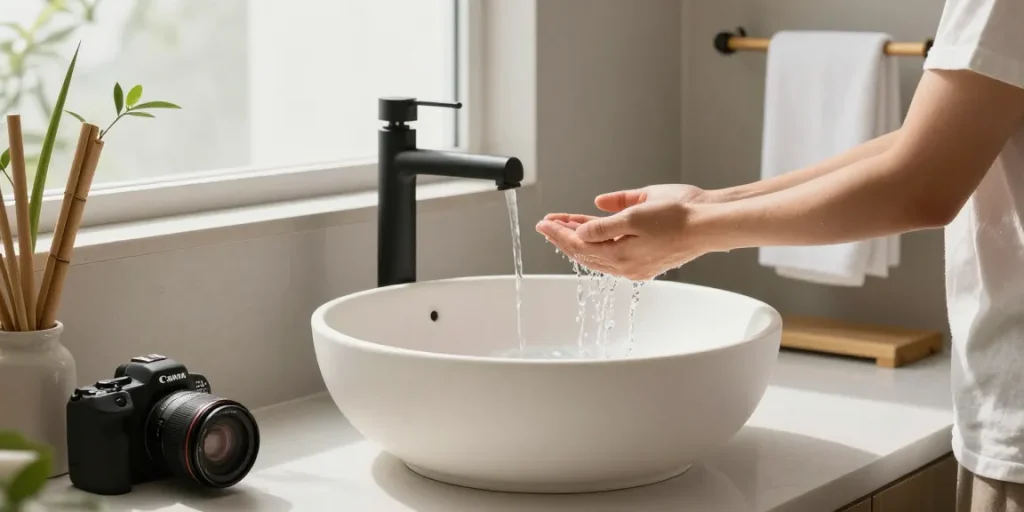

Understanding the Wudu Basin: A Comprehensive Overview
The Wudu basin, an essential fixture in Islamic culture, serves multiple functions ranging from hygiene to spiritual preparation. This specialized basin facilitates the ritual washing (Wudu) that Muslims perform before prayers, embodying both practicality and religious significance. As interest in sustainable and innovative design grows, manufacturers like KingKonree are stepping up to provide modern solutions that meet these age-old needs. When exploring options, the Wudu basin from KingKonree offers comprehensive insights into quality and style for contemporary spaces.
What is a Wudu Basin?
A Wudu basin is specifically designed to accommodate the ritual washing that is part of the preparation for Muslim prayer. Unlike standard sinks, these basins are often engineered to facilitate the washing of hands, face, and feet in a manner that meets specific religious guidelines. Their designs can vary widely, from simple and functional to elaborate and decorative, and they are increasingly seen in homes, mosques, and community centers around the world.
History and Significance of Wudu in Various Cultures
The practice of Wudu dates back to the time of Prophet Muhammad and is rooted in the Quran. Wudu symbolizes purification and is considered an essential step before engaging in prayer (Salah). Over centuries, various cultures have integrated Wudu into their architectural designs, reflecting local customs and available materials. From the intricate marble fountains of historical mosques to the sleek, modern basins of today, the evolution of the Wudu basin design mirrors the journey of Islamic art itself.
Key Features of Modern Wudu Basins
- Ergonomic Design: Modern Wudu basins are crafted with comfort and usability in mind, ensuring that users can easily perform their ritual washings.
- Material Variety: High-quality materials such as solid surface, ceramics, and composites are utilized for durability and aesthetics.
- Water Efficiency: Contemporary designs often include features that minimize water usage without compromising the ritual’s integrity.
- Easy Maintenance: Many modern basins are designed for quick cleaning and maintenance, utilizing non-porous surfaces that resist staining and bacteria.
Selecting the Right Wudu Basin for Your Space
Choosing the right Wudu basin involves considering several crucial factors to ensure it meets both functional and aesthetic requirements. With the wide variety of options available, it’s essential to assess what works best for your needs and the overall design of your space.
Factors to Consider When Choosing a Wudu Basin
- Space Availability: Measure the area where the basin will be placed to ensure adequate room for comfortable use.
- Style and Design: Select a basin that complements the existing decor while serving its intended purpose.
- User Accessibility: Consider who will be using the basin (e.g., children, elderly) and choose an accessible design.
- Budget: Wudu basins come at various price points; set a budget that aligns with your expectations of quality and aesthetics.
Top Materials Used in Wudu Basins
The material you choose for your Wudu basin can significantly affect its longevity, maintenance, and appearance. Here are some popular choices:
- Solid Surface: Known for its durability and versatility, solid surface materials can be molded into various shapes and sizes.
- Porcelain: A classic choice, porcelain basins are resistant to stains and easy to clean, making them ideal for high-traffic areas.
- Natural Stone: While aesthetically pleasing, natural stone may require more maintenance and care due to its porous nature.
- Stainless Steel: Often used in commercial settings, stainless steel is durable and hygienic but may not offer the same aesthetic appeal for residential spaces.
Design Trends for 2026: Making Your Wudu Basin Stand Out
As design aesthetics evolve, several trends are emerging that can help your Wudu basin become a focal point in your space:
- Minimalist Design: Simple lines and uncluttered forms are gaining popularity, reflecting a modern approach to traditional elements.
- Natural Materials: Incorporating eco-friendly materials can enhance sustainability while providing a rich, organic look.
- Integrated Technology: Smart features, such as automatic water flow and filtration systems, are becoming more common in luxury Wudu basins.
- Customizable Options: More manufacturers are offering bespoke designs, allowing personalization to better suit individual spaces.
Installation and Maintenance of Wudu Basins
Proper installation and maintenance are crucial for ensuring that your Wudu basin remains functional and visually appealing over time. By adhering to recommended guidelines, you can enhance its durability and performance.
Step-by-Step Guide to Installing a Wudu Basin
- Choose the Location: Ensure it’s accessible and convenient for users.
- Prepare the Space: Clear the area where the basin will be installed and check plumbing connections.
- Install the Drain: Follow manufacturer instructions to install the drain correctly.
- Secure the Basin: Position the basin and secure it, ensuring it is level.
- Connect Water Supply: Connect water lines to the basin in accordance with plumbing codes.
- Test for Leaks: Once installed, check for any leaks before finalizing the installation.
Common Maintenance Tips to Keep Your Basin Clean
To maintain the functionality and aesthetics of your Wudu basin, consider the following tips:
- Regular Cleaning: Use mild soap and water to clean the basin, avoiding abrasive pads that can scratch surfaces.
- Check for Wear: Periodically inspect seals and fittings for signs of wear or damage.
- Descale Water Fixtures: If mineral buildup occurs, use appropriate descaling solutions to maintain water flow.
- Deep Cleaning Schedule: Establish a monthly cleaning routine to keep the basin in optimal condition.
Ensuring Longevity of Your Wudu Basin: Best Practices
Implementing best practices can significantly prolong the life of your Wudu basin. Here are essential steps to consider:
- Use Appropriate Cleaning Products: Stick to recommended cleaning agents that are gentle on surfaces.
- Monitor Water Quality: Hard water can affect plumbing fixtures; consider a water softener if necessary.
- Educate Users: Ensure regular users understand how to care for the basin to prevent accidental damage.
- Annual Inspections: Schedule a professional inspection annually to identify potential issues early.
Incorporating the Wudu Basin into Your Lifestyle
Integrating a Wudu basin into your daily routine can enhance both personal hygiene and spiritual practices. Understanding how to use this important fixture effectively can deepen its significance in your life.
Cultural Practices: How to Use a Wudu Basin Effectively
To use a Wudu basin effectively, familiarize yourself with the specific steps of the ritual washing:
- Intention: Begin by setting an intention for your prayer.
- Washing Hands: Wash hands up to the wrists three times.
- Rinsing Mouth: Swish water in the mouth three times.
- Nostrils: Clean the nostrils by inhaling water and expelling it three times.
- Face and Arms: Wash the face and arms up to the elbows, again three times.
- Wet the Head: Pass wet hands over the head from front to back.
- Feet: Wash both feet up to the ankles three times.
Hygiene and Spiritual Benefits of Regular Wudu
Performing Wudu not only purifies, but it also provides significant mental and physical benefits:
- Physical Cleanliness: The act of washing helps to remove impurities and can help reduce the spread of germs.
- Mental Clarity: Regular performance of Wudu can create mindfulness, allowing for a clearer mind during prayer.
- Spiritual Connection: Engaging in this ritual deepens one’s connection with faith and intention, enriching the prayer experience.
Transforming Your Space: Aesthetic Arrangements Around the Wudu Basin
Creating a welcoming environment around your Wudu basin can enhance its accessibility and appeal:
- Lighting: Use soft lighting to create a warm atmosphere that invites use.
- Complementary Decor: Employ decorative elements such as plants or artwork that resonate with the cultural significance of Wudu.
- Functional Accessories: Consider adding shelves for hygiene products or decorative towels to enhance functionality.
The Future of Wudu Basins: Trends and Innovations
The landscape of Wudu basin design is continually evolving, influenced by technological advancements and shifting cultural preferences. Understanding emerging trends will help you choose a basin that not only meets current needs but also anticipates future demands.
Predicted Innovations in Wudu Basin Design for 2026
Looking ahead to 2026, several innovations are poised to redefine the Wudu basin experience:
- Smart Technology Integration: Smart basins that can detect water temperature and flow will enhance user comfort.
- Eco-Friendly Features: Innovations in recycling and water filtration will reduce water wastage.
- Modular Designs: Customizable units that can be adjusted to fit different spaces and user preferences are anticipated to become more common.
Technological Advancements in Water Filtration and Efficiency
As water efficiency becomes a priority, advancements in filtration systems are expected to improve both the quality and sustainability of water used in Wudu basins:
- Advanced Filtration Systems: Innovative systems will ensure clean water flows for ritual washing.
- Leak Detection Sensors: Smart sensors that alert users when leaks are detected will help maintain efficiency and functionality.
- Water Saving Technologies: New designs will maximize water use efficiency without compromising the Wudu ritual.
Sustainable Practices in the Manufacturing of Wudu Basins
The push towards sustainability is set to shape the manufacturing processes of Wudu basins:
- Recycled Materials: The use of recycled materials in basin production is on the rise, contributing to eco-friendly practices.
- Energy-Efficient Manufacturing: Innovations aimed at reducing energy consumption during manufacturing will become standard.
- Life Cycle Assessments: Manufacturers will increasingly focus on assessing the environmental impact of their products throughout their entire life cycle.
What are the Benefits of Using a Wudu Basin?
The benefits of incorporating a Wudu basin into your space extend beyond mere aesthetics. These include:
- Enhanced Hygiene: Regular use promotes cleanliness and reduces the risk of illness.
- Religious Fulfillment: Facilitates a deeper connection to Islamic practices and rituals.
- Aesthetic Appeal: A well-designed basin can elevate the overall decor of any space.
How to Maintain a Wudu Basin Effectively?
Effective maintenance is key to ensuring that your Wudu basin remains functional and visually appealing. This includes:
- Routine Cleaning: Clean the basin frequently to prevent buildup of grime and soap scum.
- Check for Cracks or Damage: Regularly inspect for signs of wear that could lead to leaks or malfunctions.
- Professional Servicing: Consider scheduling periodic professional checks for plumbing integrity and overall condition.
Can a Wudu Basin Improve My Bathroom Aesthetics?
Absolutely! A Wudu basin serves as both a functional and artistic element that can transform your bathroom space:
- Unique Design: The distinct look of a Wudu basin can serve as a centerpiece in any bathroom.
- Complementary Fixtures: Pairing with suitable faucets and lighting can enhance its visual appeal.
- Customization: Many manufacturers offer customization options that allow you to select colors and materials that fit your personal style.
What Materials are Best for a Wudu Basin?
Choosing the right material for your Wudu basin will impact its aesthetics, durability, and usability:
- Solid Surface: Offers versatility and ease of maintenance.
- Porcelain: Renowned for its durability and clean look.
- Natural Stone: A luxurious option that requires some upkeep.
- Stainless Steel: Best suited for commercial environments due to its high durability.
How to Choose the Right Size for Your Wudu Basin?
Choosing the correct size for a Wudu basin involves considering both space and functionality:
- Space Measurement: Assess the available area to ensure the basin fits comfortably without overwhelming the space.
- User Needs: Consider how many people will typically use the basin and select a size that accommodates them comfortably.
- Design Preferences: Factor in design elements to ensure the basin complements the overall aesthetic.