
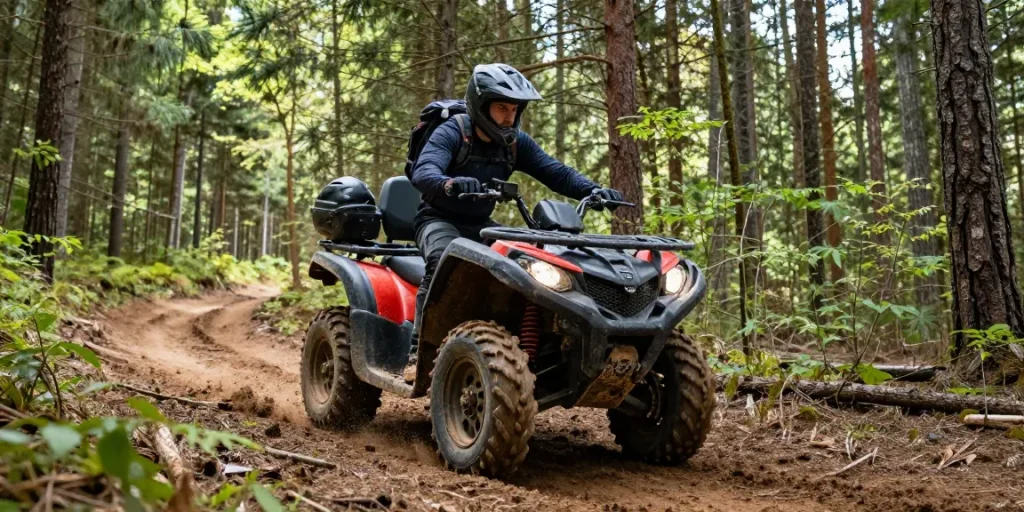

Understanding the ATV Market in 2026
The ATV market in the USA is experiencing a remarkable transformation, driven by innovation, changing consumer preferences, and increasing demand for outdoor recreational activities. As we delve into the landscape of ATVs for sale USA, it’s imperative for potential buyers and industry stakeholders to understand the current trends shaping the market. From advanced technology integration to shifts in consumer expectations, the following insights will guide your understanding of the ATV landscape in 2026.
When exploring options, ATV for sale USA provides comprehensive insights into different models and their features, helping buyers make informed decisions.
Current Trends in ATV Sales
In 2026, the ATV market has been characterized by a significant increase in sales across various segments. The rise in outdoor recreational activities, especially during and after the pandemic, has led families and adventure enthusiasts to seek more ways to engage with nature. This has translated into a higher demand for ATVs, with sales showing consistent growth year-on-year. Manufacturers are responding by developing more versatile models that cater to both recreational and utility needs, allowing consumers to enjoy everything from leisurely rides to tackling tough terrains.
Consumer Preferences and Expectations
Today’s consumers are more informed and selective when it comes to purchasing an ATV. They seek not only quality and performance but also sustainability and advanced features. Electric ATVs are gaining traction as environmentally conscious buyers look for alternatives that minimize their carbon footprint. Moreover, connectivity features—such as GPS and smart device compatibility—are increasingly becoming standard expectations, enhancing the overall riding experience and safety.
Key Factors Driving Market Growth
Several factors contribute to the robust growth of the ATV market. First, the rise of “staycations” has fueled interest in outdoor activities, leading to many consumers investing in all-terrain vehicles. Second, the growth of e-commerce platforms has made it easier for buyers to access a variety of options, including used ATVs, which are appealing for budget-conscious consumers. Lastly, manufacturers are leveraging technology to produce ATVs that are not only more efficient but also equipped with features that enhance safety and performance.
Evaluating Your ATV Investment
Purchasing an ATV is a significant investment that requires careful consideration of various factors. Understanding the costs involved, both upfront and ongoing, is crucial for potential buyers. This evaluation process will help you make informed decisions that align with your budget and lifestyle.
Costs Involved in Purchasing an ATV
The initial cost of an ATV can vary widely based on its type and features. Entry-level models can start as low as $3,000, while high-performance and utility ATVs can exceed $15,000. It’s essential to research different brands and models to find the best balance between your needs and budget. Additionally, consider the cost of registration, taxes, and insurance as part of your overall budget.
Long-Term Maintenance and Upkeep Costs
Owning an ATV also entails regular maintenance, which can range from $200 to $600 annually, depending on usage and model specifications. Maintenance tasks may include oil changes, tire replacements, and periodic inspections. Being proactive about maintenance not only ensures the longevity of your vehicle but also enhances its resale value.
Resale Value Considerations
When considering an ATV as an investment, understanding its potential resale value is imperative. Certain brands such as Honda and Polaris tend to retain their value better than others due to their reputation for reliability and performance. Keeping your ATV in good condition and documenting service history can significantly affect its resale prospects. Additionally, seasonal demand shifts can impact resale prices, so timing your sale can be advantageous.
Benefits of Owning an ATV
Owning an ATV comes with numerous advantages that cater to diverse interests—from recreation to agriculture. Whether you’re looking for a reliable vehicle for work or play, ATVs offer a plethora of benefits that enhance both personal enjoyment and utility.
Enhancing Outdoor Recreation and Adventure
Many ATV owners utilize their vehicles to explore trails, participate in off-road excursions, and engage in outdoor sports. The thrill of navigating through rugged terrains or participating in ATV rallies adds an exhilarating dimension to outdoor activities. Additionally, ATVs foster family bonding through shared experiences, whether it’s camping trips or simply scenic rides.
Utility Uses: Farming and Maintenance
For farmers and landowners, ATVs serve as invaluable tools for tasks such as transporting supplies, maintaining property, and even assisting with livestock management. Their versatility in handling various terrains makes them suitable for agricultural operations, helping to save time and effort in routine tasks.
Community and Social Activities
ATVs often become a cornerstone for social interactions and community engagement. Many regions host ATV clubs and events where enthusiasts gather to share experiences, participate in competitions, and build camaraderie. By joining these communities, owners can foster friendships and explore new trails together, enhancing their overall ATV experience.
Navigating Common Misconceptions About ATVs
Despite their popularity, several misconceptions surround ATVs that may deter potential buyers. Addressing these can provide clarity and encourage informed decisions among consumers.
Addressing Safety Concerns
One of the primary concerns regarding ATVs revolves around safety. While accidents can occur, responsible riding practices, including wearing safety gear and adhering to local regulations, significantly mitigate risks. Training courses are also available to educate new riders about safe operation and handling of ATVs.
Environmental Impact Considerations
Concerns about the environmental impact of ATVs have prompted many manufacturers to develop eco-friendly models, including electric variants. With advancements in technology, modern ATVs are designed to operate more efficiently, reducing emissions and their overall environmental footprint.
Understanding Legal Requirements for Use
ATV regulations can vary significantly by state, including registration, safety gear requirements, and permissible riding areas. Familiarizing yourself with local laws is crucial to ensure compliant and safe riding experiences. Many states require riders to possess an ATV safety certificate, which can often be obtained through online courses.
Future Trends in the ATV Industry
As we look ahead, several trends are poised to shape the ATV industry through 2026 and beyond. Recognizing these trends can inform buyers and businesses alike about the direction of the market and emerging opportunities.
Innovations in ATV Technology
The integration of advanced technology into ATVs, such as GPS navigation systems, traction control, and smartphone connectivity, is becoming commonplace. As technology continues to evolve, expect to see even more innovations that enhance safety, performance, and user experience.
Emerging Market Segments and Opportunities
There is a noticeable shift towards niche markets, including electric ATVs and youth-oriented models. As environmental awareness increases, manufacturers are focusing more on producing sustainable models that appeal to eco-conscious consumers. Additionally, specialized vehicles catering to specific industries such as forestry, agriculture, and recreation are also on the rise.
Predictions for Consumer Behavior by 2026
Consumer trends indicate a growing preference for customization and personalization in ATVs. Buyers will increasingly seek options that allow them to tailor their vehicles to specific needs, whether for work or leisure. Brands that offer enhanced configurability and personalization features will likely gain a competitive edge.
What Financing Options Are Available for ATVs?
Financing options for ATVs have expanded, with many dealers offering flexible payment plans that cater to different budgets. Consumers can choose from traditional loans, leasing options, or even financing directly through manufacturers. Understanding these options can make the purchasing process easier and more accessible.
How Can You Increase the Lifespan of Your ATV?
Proper maintenance is key to extending the life of your ATV. Regular check-ups, timely oil changes, and careful handling can significantly increase its durability. Investing in protective gear, such as covers and storage solutions, can also shield your ATV from environmental damage.
What Are the Best ATV Brands to Consider?
Several brands stand out in the ATV market for their reliability and performance. Honda, Yamaha, and Can-Am are frequently lauded for their quality and customer satisfaction. Researching specific models and reading customer reviews can help in selecting the right ATV that fits your needs.
How to Ensure Safe Riding Practices?
To promote safety while riding an ATV, it’s essential to wear appropriate safety gear, including helmets, gloves, and protective clothing. Additionally, taking a rider safety course can provide new riders with valuable skills and knowledge, fostering a culture of safety among enthusiasts.
What Accessories Enhance Your ATV Experience?
Numerous accessories can enhance your ATV experience, from winches and racks for utility purposes to upgraded audio systems for recreational rides. Tailoring your ATV with suitable accessories not only improves functionality but can also add to the enjoyment of your riding adventures.
What Is the Average Cost of Owning an ATV?
The average total cost of owning an ATV can range from $5,000 to over $20,000. This figure includes the initial purchase price, insurance, maintenance, and operating costs. Being aware of these ongoing expenses will help potential buyers make realistic financial plans ahead of their purchase.