
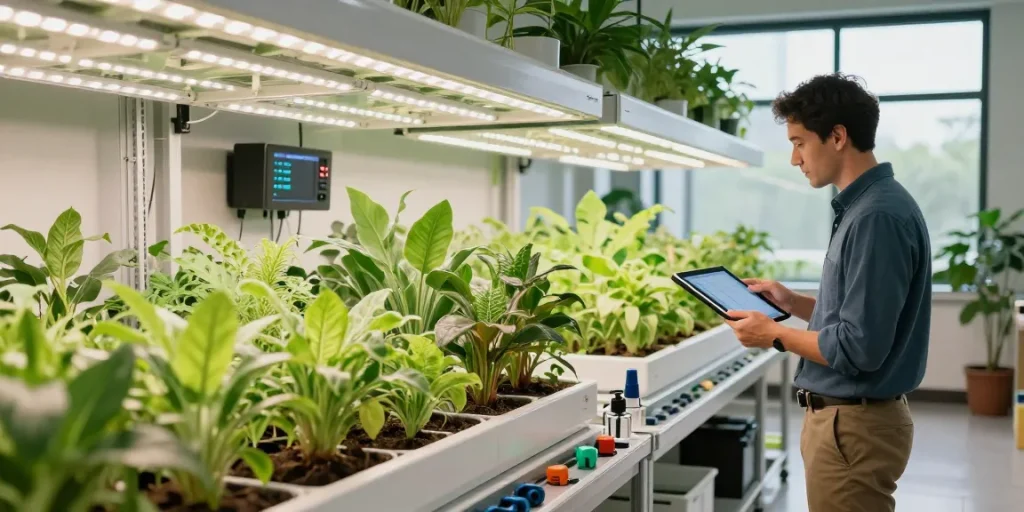

Introduction to Indoor Agriculture and cika4d
In recent years, the agricultural landscape has experienced a transformative shift towards indoor farming, which offers promising solutions to the challenges of traditional agriculture. This shift is largely fueled by the increasing demand for sustainable and efficient farming practices that can produce high yields in urban settings. Among the leaders in this domain is cika4d, a modern approach to indoor agriculture that encompasses design and construction tailored specifically for grow rooms, vertical farming, and controlled horticulture facilities. By leveraging advanced technology and optimized designs, cika4d aims to redefine agricultural practices for a new generation of farmers.
What is Indoor Agriculture?
Indoor agriculture refers to the practice of growing plants in a controlled environment, utilizing artificial lighting, climate control systems, and other technologies to create optimal conditions for plant growth. This method contrasts sharply with traditional farming, which is heavily reliant on natural weather patterns and soil conditions. Indoor agriculture allows for year-round production, reduces the impact of climate variability, and minimizes the use of pesticides and herbicides, making it an eco-friendlier option. Techniques such as hydroponics, aquaponics, and aeroponics are commonly employed in indoor farms to maximize efficiency and productivity.
The Rise of cika4d in Modern Farming
As the demand for locally sourced produce rises, so does the need for innovative solutions in the agricultural sector. cika4d has emerged as a key player by offering comprehensive design and construction services tailored to the needs of indoor agriculture. With a focus on sustainability and efficiency, cika4d combines modern architectural principles with cutting-edge agricultural technology. This integration ensures a high level of productivity while adhering to environmental standards.
Benefits of Choosing cika4d for Your Grow Room
Selecting cika4d for your indoor agriculture needs comes with numerous advantages:
- Tailored Solutions: cika4d provides custom designs that cater to specific agricultural needs, whether for small-scale operations or large commercial facilities.
- Energy Efficiency: By implementing energy-saving technologies and optimizing layouts, cika4d helps reduce operational costs while enhancing productivity.
- Expertise in Execution: The team at cika4d comprises professionals with extensive experience in both agriculture and construction, ensuring a seamless transition from design to implementation.
- Sustainability Focus: cika4d emphasizes sustainable practices, ensuring that your facility aligns with modern ecological standards.
Design Principles of Effective Indoor Growth Facilities
Optimizing Layout for Plant Health and Yield
One of the fundamental aspects of indoor agriculture is the design of the facility. An effective layout can significantly impact plant health and yield. Key considerations include:
- Space Utilization: Proper spacing between plants ensures adequate light penetration and airflow, crucial for avoiding disease and promoting growth.
- Accessibility: Designing pathways and spaces that facilitate easy access can streamline operations, making it easier to manage plants and equipment.
- Workflow Efficiency: The layout should support the workflow from planting to harvesting, minimizing time and labor costs.
Integrating Technology for Enhanced Efficiency
Technological integration is at the heart of cika4d’s approach to indoor agriculture. Smart systems allow for real-time monitoring and adjustments, leading to:
- Automated Lighting: Adaptive LED lighting systems can optimize energy use while providing the right spectrum for plant growth.
- Climate Control: Advanced HVAC systems maintain optimal temperature and humidity levels, which are critical for plant health.
- Data-Driven Decision Making: Utilizing sensors and data analytics aids in understanding growth patterns and improving production techniques.
Environmental Control Systems Explained
Environmental control systems form the backbone of an effective indoor growing environment. Key systems include:
- Hydroponics and Aeroponics: These soil-less systems rely on nutrient-rich water solutions to provide plants with essential minerals.
- Ventilation Systems: Proper airflow is crucial for preventing the buildup of heat and humidity, which can lead to plant stress and disease.
- Integrated Pest Management: Employing biological pest control and monitoring can reduce the need for chemical interventions, aligning with sustainable practices.
Challenges and Solutions in Indoor Agriculture
Common Obstacles Faced by Growers
Despite the advantages, indoor agriculture comes with its own set of challenges:
- Initial Investment: High setup costs can deter potential growers from entering the market.
- Technical Know-How: The reliance on technology requires a certain level of expertise that may not be readily available to all farmers.
- Regulatory Compliance: Navigating the complex web of agricultural regulations can pose challenges.
How cika4d Addresses These Challenges
cika4d offers several strategies to mitigate these common obstacles:
- Financial Consulting: Providing guidance on grants and funding options for potential growers.
- Training Programs: Offering training for staff on the operation of advanced systems can alleviate the knowledge gap.
- Compliance Assistance: Helping clients navigate regulations and maintain compliance ensures smooth operation.
Expert Insights on Overcoming Implementation Hurdles
To successfully implement indoor farming practices, it is essential to take a strategic approach. Experts suggest:
- Planning and Design: Spend adequate time in the planning phase to ensure that all aspects of the design align with intended outcomes.
- Pilot Projects: Start with smaller-scale operations to test systems and processes before scaling up.
- Feedback and Adjustment: Regularly seek feedback from staff and adjust practices based on real-world performance to improve outcomes.
Future Trends in Indoor Agriculture for 2026
Emerging Technologies Enhancing Indoor Farming
As we look to the future, several emerging technologies promise to further revolutionize indoor agriculture:
- Vertical Farming Solutions: As urban areas continue to grow, vertical farming systems that utilize space more efficiently will become increasingly important.
- AI and Machine Learning: Predictive analytics will enable growers to make informed decisions based on data-driven insights.
- Blockchain Technology: This technology will improve traceability in food supply chains, enhancing food safety and transparency.
Predictions for the Growth of cika4d
With the expanding interest in indoor agriculture, cika4d is poised for considerable growth. As more businesses seek sustainable and efficient farming solutions, the demand for specialized design and construction services will increase. It is predicted that cika4d will play a pivotal role in shaping the future of urban agriculture, making it a significant player in this industry.
The Role of Sustainability in Future Designs
Sustainability is a key focus for future agricultural designs. cika4d emphasizes low-impact construction, renewable energy sources, and water conservation techniques. By integrating these principles, cika4d contributes to a greener agricultural sector while satisfying consumer demand for sustainable practices.
Practical Steps to Implementing cika4d Solutions
Consultation Process for Custom Design
The journey towards a successful indoor agriculture facility begins with a comprehensive consultation. At cika4d, this process involves:
- Needs Assessment: Understanding the specific requirements and goals of the client.
- Site Evaluation: Analyzing the potential site for suitability and logistical considerations.
- Design Proposal: Providing a tailored design plan based on the assessment and evaluation.
Construction Phases and Best Practices
The construction of an indoor agriculture facility involves several critical phases:
- Foundation and Infrastructure: Establishing a robust foundation and infrastructure to support various systems.
- Installation of Systems: Implementing climate control, lighting, and irrigation systems to prepare for planting.
- Final Inspection: Conducting thorough inspections to ensure everything meets safety and operational standards.
Measuring Success and Performance in Your Facility
After implementation, measuring success is essential to ensure optimal operation. Key performance indicators (KPIs) for indoor agriculture can include:
- Yield Rates: Tracking the amount of produce harvested compared to the inputs used.
- Energy Consumption: Monitoring energy efficiency to minimize costs and environmental impact.
- Plant Health: Regular assessments of plant health to ensure optimal growth conditions.
What is cika4d?
cika4d is a modern solution for indoor agriculture, focusing on innovative design and sustainable practices to optimize the production of plants in controlled environments.
How does cika4d improve yield?
By utilizing advanced technologies and optimized facility designs, cika4d enhances crop yield through improved lighting, climate control, and resource management.
What are the costs associated with cika4d solutions?
Costs can vary widely based on the scale of the project, technology used, and specific design features. cika4d provides tailored solutions that align with different budgets.
Can cika4d adapt to any indoor agriculture needs?
Yes, cika4d is versatile and can be customized to meet the diverse needs of clients, ranging from hobbyist grow rooms to large commercial farms.
What technologies are integrated into cika4d designs?
cika4d integrates various technologies, including automated climate control systems, LED lighting, hydroponic setups, and data analytics tools to enhance efficiency and productivity.