Understanding Wood-Boring Pests: Challenges and Solutions
Wood-boring insects pose a considerable challenge for homeowners and businesses alike. These pests, often unnoticed until significant damage has occurred, can undermine the structural integrity of wooden structures and furniture. As we delve deeper into the topic, we will explore their biology, the problems they cause, and effective solutions, including the advanced treatments offered by Shashel.
What are Wood-Boring Insects?
Wood-boring insects are a category of pests that include various species of beetles, worms, and larvae known for the damage they can cause in homes and other wooden structures. Common types of wood-boring insects include:
- Common Furniture Beetle: Often found in softwoods, this pest can damage furniture and flooring.
- Powderpost Beetles: These insects target hardwoods and can leave fine powder as evidence of their presence.
- Termites: Known for their destructive capabilities, termites can compromise the strength and stability of a building.
Common Issues Caused by Infestations
Infestations of wood-boring insects can lead to a myriad of problems, including:
- Structural Damage: Wood can become severely compromised over time, resulting in costly repairs.
- Health Risks: Some wood-boring insects can exacerbate allergies and respiratory issues.
- Decreased Property Value: Properties suffering from pest infestations can experience a dip in market value.
Identifying Woodworm Damage in Your Home
Identifying woodworm damage early can save homeowners from extensive repairs. Key indicators include:
- Small exit holes in wooden surfaces, often less than 2 mm in diameter.
- Frass, or wood dust, near wooden structures, which can be a sign of active infestation.
- Weakness in wooden components, such as bending and sagging.
Innovative Shashel Technology: How It Works
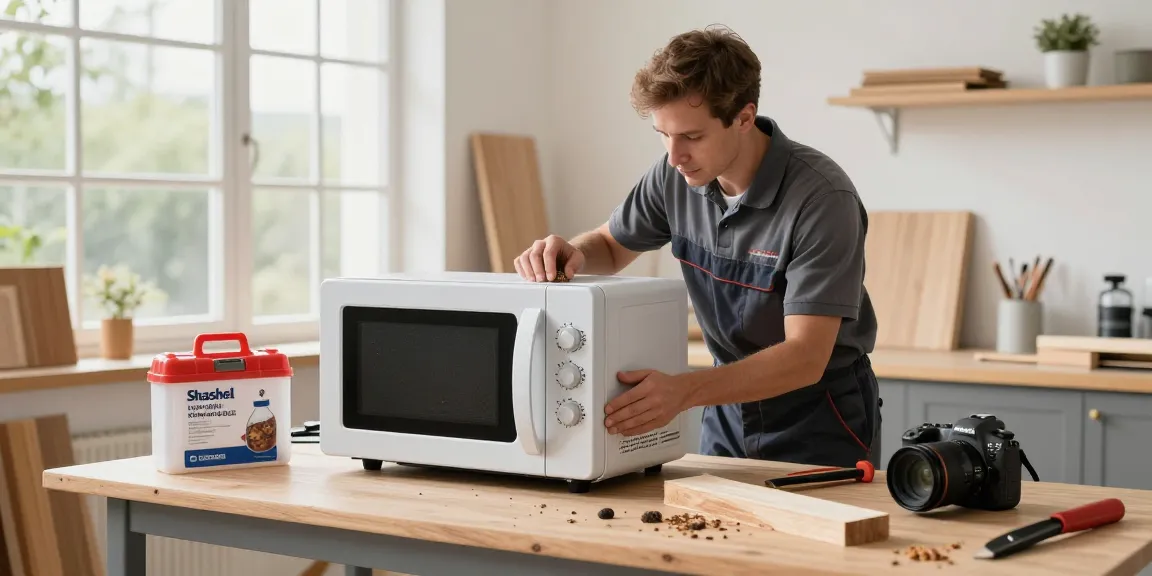
Shashel equipment utilizes advanced microwave technology to effectively eliminate wood-boring insects. This method ensures a comprehensive treatment that is both quick and efficient, protecting your wood without harming its integrity.
The Science Behind Microwave Pest Control
Microwave pest control works by emitting specific frequencies that target the moisture content within wood. When these frequencies are applied, the microwaves penetrate the wood and heat up the insect larvae and eggs, causing cellular rupture and ultimately exterminating them. This method is particularly advantageous because it:
- Is non-toxic and safe for indoor use.
- Provides rapid results, typically within minutes.
- Can penetrate deep into wooden structures, reaching hidden areas where pests can reside.
Benefits of Using Shashel Equipment
The advantages of choosing Shashel equipment for pest control extend beyond speed and effectiveness. Here are some key benefits:
- Quality: Shashel equipment is designed to provide superior pest elimination with minimal risk of damage to treated materials.
- Delicate Processing: The equipment is engineered to treat wood and other materials gently, preserving their aesthetic and structural integrity.
- Ease of Use: Shashel equipment is user-friendly, allowing homeowners and professional pest controllers alike to operate it with minimal training.
Case Studies: Success Stories with Shashel
Numerous success stories illustrate the effectiveness of Shashel technology in real-world scenarios:
- Residential Treatment: In a recent case, a homeowner discovered extensive woodworm damage in their historic home. After using Shashel equipment, the infestation was eradicated within one session, preserving the value of the property.
- Commercial Application: A local furniture manufacturer faced significant losses due to woodborer infestations. By implementing Shashel technology, they successfully eliminated the threat and revitalized their production capabilities.
Best Practices for Using Shashel Equipment
To maximize the effectiveness of your Shashel equipment, it's essential to follow best practices during treatment. This ensures both safety and efficiency.
Preparing Your Space for Effective Treatment
Prior to using Shashel equipment, it's important to prepare your environment:
- Clear the Area: Remove any furniture or items that may obstruct microwave penetration.
- Seal Off: Ensure that windows and doors are sealed to contain any pests and enhance treatment effectiveness.
- Inspect Thoroughly: Identify all potential infestation sites to ensure comprehensive treatment.
Safety Protocols When Using Microwave Technology
While Shashel equipment is designed with safety in mind, it's prudent to adopt specific protocols:
- Wear Protective Gear: Use gloves and safety goggles to prevent any possible exposure.
- Avoid Close Proximity During Operation: Maintain a safe distance to minimize any health risks associated with microwave exposure.
- Follow Manufacturer Guidelines: Adhere strictly to the operational instructions provided with your equipment.
Common Mistakes to Avoid During Application
To ensure effective treatment, avoid these common pitfalls:
- Inadequate Inspection: Failing to conduct a thorough inspection can result in overlooked areas of infestation.
- Neglecting Pre-Treatment Preparation: Not preparing the area can lead to ineffective results.
- Ignoring Safety Protocols: Always prioritize safety to avoid hazards during the pest control process.
Maintaining a Pest-Free Environment Post-Treatment
Once treatment is complete, maintaining a pest-free environment is crucial for long-term success.
Regular Inspections: What to Look For
After treatment, conduct regular inspections to spot any signs of reinfestation early. Key indicators include:
- Exit Holes: Regularly check wooden structures for small holes indicating possible new infestations.
- Wood Dust: Look for fresh frass around treated areas, which could indicate active pests.
- Structural Integrity: Monitor for any changes in the strength and stability of wooden components.
Protective Measures to Prevent Future Infestations
Implement the following protective measures to reduce the risk of future infestations:
- Proper Ventilation: Ensure that wooden structures are well-ventilated to minimize moisture accumulation.
- Regular Maintenance: Conduct routine maintenance checks on wooden materials to catch any issues early.
- Environmental Control: Maintain optimal humidity and temperature levels, as wood-boring insects thrive in damp conditions.
How to Care for Treated Wood
After treatment, it’s important to care for the wood to maintain its longevity:
- Seal and Finish: Apply protective finishes to prevent moisture penetration.
- Store Properly: If you remove wood items, ensure they are stored in dry and ventilated areas.
- Avoid Excess Moisture: Regularly check for leaks or water damage that could attract wood-boring pests.
Future Trends in Pest Control Technologies
The pest control industry is evolving rapidly, with innovations aimed at improving effectiveness and safety.
Evolving Methods for Sustainable Pest Management
As the focus shifts toward sustainable practices, technologies that reduce environmental impact are gaining traction. Microwave pest control is just one of the methods that support this trend, offering a non-chemical approach to pest management.
What to Expect from Shashel in 2026 and Beyond
In the coming years, we can expect Shashel to enhance its offerings, focusing on:
- Increased Efficiency: Ongoing advancements in microwave technology to ensure faster and more effective treatment.
- User Integration: Development of smart applications to allow users to monitor treatment progress and manage pest control more effectively.
- Broader Applications: Expansion of technology to address a wider array of pests beyond wood-borers.
Integrating New Technologies in Pest Control
As innovations surface, integrating new technologies into existing methods will be crucial for pest management systems. Shashel is committed to leading the charge in this evolution.
What types of pests does Shashel eliminate?
Shashel effectively targets a variety of wood-boring pests, including but not limited to powderpost beetles, common furniture beetles, and termites. Its technology is designed to eradicate these pests quickly and efficiently.
How long does the Shashel treatment take?
The Shashel treatment is exceptionally rapid, usually requiring just a few minutes to eliminate infestations depending on the severity and the size of the area being treated.
Is Shashel safe for indoor use?
Yes, Shashel equipment is specifically designed for indoor use, utilizing microwave technology to treat infestations without the use of harmful chemicals, making it safe for both humans and pets.
What maintenance is needed after treatment?
Post-treatment, minimal maintenance is required. Consistent inspections for signs of pests and ensuring the environment is dry and well-ventilated are the best practices for maintaining a pest-free home.
Can Shashel technology be used on all wood types?
Shashel technology is versatile and can be applied to various wood types, including softwoods and hardwoods, providing that care is taken to ensure the treatment equipment is properly calibrated.